Document Asset Transfers Accurately: Everything You Need to Know About trust meeting minutes template
Best Practices for Trust Distribution Minutes
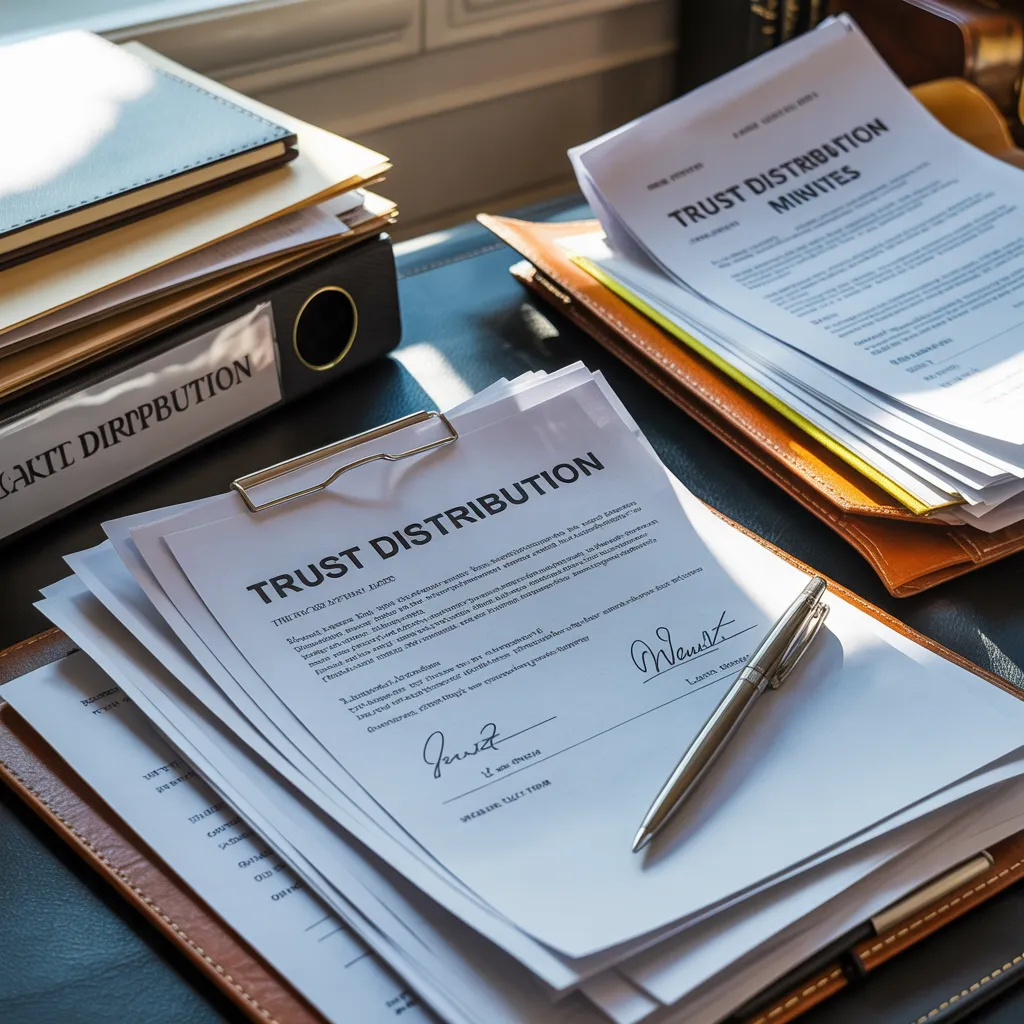
Trust distribution minutes represent a vital role in proficient trust oversight. They operate as a formal account of choices made regarding asset distributions and guarantee clarity among parties involved. A thoughtfully designed approach not only illuminates the distribution process but also fosters accountability. Yet, many trust administrators ignore vital methods that could strengthen these minutes. Understanding these leading techniques can greatly impact the effectiveness of trust management and the satisfaction of beneficiaries. What are these essential practices?
Why Fiduciary Distribution Records Are Critical: Important Advantages for Trustees
Trust distribution minutes might look like a simple routine requirement, yet they deliver crucial functions for trustees. These minutes constitute official records laying out decisions made with respect to distributions, promoting transparency and accountability. By documenting the reasoning behind each distribution, trustees can insulate themselves from potential disputes or legal challenges in the future.
Furthermore, trust distribution minutes enable communication among beneficiaries and trustees, fostering trust and comprehension. They offer a transparent outline of the trust's fiscal condition and distribution rationale, which can assist in managing beneficiary anticipations.
Additionally, detailed minutes function as a touchstone for prospective decisions, allowing trustees to ensure alignment in their actions. Ultimately, the meticulous recording of these minutes furthers sustaining fiduciary liabilities, solidifying the integrity of the trust administration process. In this respect, neglecting this practice can lead to misunderstandings and complications that may have been readily circumvented.
Key Parts of Trust Distribution Minutes
The essential parts of trust distribution minutes play a significant function in upholding proficient control and transparency. Relevant meeting members must to be clearly identified, and detailed distribution protocols provide a foundation for decisions. Likewise, clear recording procedures are crucial for maintaining trustworthy records and enabling future use.
Important Session Members
Effective trust distribution meetings rely on the participation of key participants who support sound judgments. Primary participants include the trust administrator, who manages the distribution process, and recipients, whose input provides essential insights. Attorneys are instrumental in ensuring adherence to applicable legal requirements, while financial experts provide evaluation on the trust's asset management and distribution effects. Additionally, any joint trustees should be involved to maintain transparency and collaborative decision-making. Interested parties may also include family members or representatives advocating for the beneficiaries' concerns. Each participant's distinct viewpoint improves the caliber of dialogue, ensuring that all relevant factors are taken into account, ultimately resulting in just and balanced trust distributions.
Complete Supply Requirements
Developing precise allocation standards is essential for effective beneficiary distribution meetings. These guidelines should outline the conditions for distributions, including eligibility and the designated purposes for which funds may be allocated. It is important to specify the approval mechanism, detailing who has the mandate to sanction disbursements and how decisions will be transmitted to recipients. Furthermore, guidelines should attend to the timing of payments, guaranteeing that recipients have a clear grasp of when they can count on to receive funds. By delivering a structured get started framework, these guidelines help lessen misunderstandings and confirm that payouts correspond with the trust's objectives. Adhering to these principles encourages openness and accountability among fiduciaries and recipients alike.

Lucid Documentation Frameworks
Accurate and comprehensive documentation is vital for maintaining transparency in trust distribution meetings. Clear record-keeping methods should include the date, time, and location of the meeting, as well as a list of attendees. Each trust distribution discussed must be recorded with specific details, including the amount distributed, the recipient, and the reasoning behind each decision. Additionally, any agreements or objections raised during the meeting should be noted to provide a detailed view of the discussions. It is also essential to assign follow-up actions with deadlines to guarantee accountability. By adhering to these documentation practices, trustees can create a reliable record that improves openness and facilitates upcoming deliberations. This structured approach ultimately strengthens the trust's governance and stakeholder confidence.
Key Suggestions for Writing Impactful Trust Distribution Minutes
When creating efficient trust distribution minutes, precision is essential. A explicit purpose statement guarantees all parties comprehend the intent behind the distributions, while precise details about the distributions themselves prevent misunderstandings. These elements are fundamental for preserving transparency and accountability in the trust administration process.
Transparent Intent Message
A well composed purpose statement acts as the cornerstone for efficient trust distribution minutes, ensuring unambiguous attention throughout the file. This statement should define the goals of the trust distribution, providing framework for all participants involved. By precisely stating the purpose, it creates a guideline that controls discussions and decisions, preventing ambiguity. It should be concise yet complete, reflecting the objectives of the trust and the reasons behind the distributions. Including a purpose statement not only strengthens transparency but also encourages accountability among trustees and beneficiaries. A clear purpose statement lays the groundwork for the meeting, enabling participants to match their contributions with the main objectives of the trust, ultimately resulting in more effective outcomes.
Correct Distribution Specifications
Clear and unambiguous distribution details are necessary for effective trust distribution minutes. These details should comprise the names and relationships of beneficiaries, specific amounts or percentages to be distributed, and the date of distribution. Accurate records stop misunderstandings and disputes, ensuring all parties are informed about their entitlements. Moreover, it is recommended to reference the trust document to validate the distribution decisions made. Each entry should be dated and signed by relevant parties to boost accountability. Incorporating a structured format can assist clarity, facilitating easy reference in the future. By adhering to these practices, trustees can maintain transparency, fostering trust among beneficiaries while guarding against potential legal challenges. Accurate documentation solidifies the integrity of the trust administration process.
Maintaining and Modifying Trust Distribution Records: Best Practices
Proper administration of trust distribution records is necessary for maintaining transparency and compliance. Consistently revising these records is necessary to reflect any changes in distribution decisions, beneficiary information, or legal requirements. Creating a structured approach for assessing and modifying records helps maintain accuracy and relevance.
Using digital tools can boost record-keeping efficiency, allowing easy access and retrieval of information. Secure storage solutions, both physical and electronic, must be used to protect sensitive data from unapproved access.
Furthermore, records ought to be clear and organized, with each entry offering sufficient detail to support the decisions made. This includes noting the date of distributions, amounts, and the reasoning behind each decision.
Training staff involved in trust management on best practices guarantees uniformity and reduces the risk of mistakes. By adhering to these protocols, fiduciaries can maintain their fiduciary responsibilities successfully.
Sidestep These Routine Blunders in Trust Documentation
Overseeing trust files requires care to avoid common pitfalls that can undermine its integrity. A frequent error is the failure to document decisions clearly and promptly. Lacking records can cause conflicts and disputes among beneficiaries. Moreover, variable terminology can produce confusion; employing precise, consistent language is vital for clarity. Another common mistake is failing to include all relevant parties in discussions, which may result in inadequate records and a lack of transparency.
Furthermore, overlooking legal obligations and trust law changes can weaken the trust's soundness. Failing to review and update documentation regularly may also cause obsolete or mistaken details. In conclusion, not providing sufficient context for decisions can prevent future trustees' understanding of the trust's intent. Through avoiding these mistakes, trustees can confirm that trust documents continue to be solid and trustworthy, thereby maintaining the interests of all involved parties.
Enhancing Communication Among Recipients Through Minutes
The act of documenting meeting minutes is a key tool for enhancing exchange among beneficiaries in a trust. By noting down the discussions, determinations, and action items, minutes give a precise record that can be referenced by all parties involved. This practice certifies that beneficiaries are kept informed about the trust's status and the rationale behind key decisions.
Effective records can promote openness, reducing misunderstandings and possible disputes among beneficiaries. By communicating these documents quickly after meetings, all beneficiaries can stay aligned on objectives and responsibilities. Additionally, properly formatted records encourage participation, permitting beneficiaries to feel engaged in the trust's management.
Regularly examining and disseminating these documents not only encourages accountability but also acts as a historical archive that beneficiaries can access in the future. Ultimately, boosting dialogue through minutes is vital for upholding confidence and teamwork among beneficiaries, supporting a smoother distribution process.
Common Asked Questions
How Consistently Should Trust Distribution Minutes Be Updated?
Trust distribution minutes should be updated regularly, preferably after each distribution or significant decision, to guarantee precise documentation. Uniformity in documentation facilitates transparency and helps maintain trust among beneficiaries and trustees throughout the process.
Can Beneficiaries Request Duplicates of Trust Distribution Minutes?
Beneficiaries may request duplicates of trust distribution documents, since openness is usually supported within fiduciary oversight. However, the ability to procure these documents might copyright on the specific terms outlined in the trust agreement.
What Takes Place if Minutes Are Not Documented?
If trust meeting records are not documented, it can lead to confusion among beneficiaries, possible distribution disagreements, and challenges in verifying compliance with the trust's terms, ultimately jeopardizing the trust's administration and integrity.
Are There Statutory Obligations for Trust Distribution Minutes?
Yes, regulatory obligations for trust distribution minutes are in place, often varying by jurisdiction. Accurate records ensures compliance with regulations and protects trustees from liability, emphasizing the importance of keeping accurate and thorough records during trust distributions.
Who Holds Responsibility for Preparing the Minutes?
The trustee is typically tasked with preparing the minutes. This person must accurately document determinations regarding trust distributions, guaranteeing adherence to legal requirements and maintaining transparency for beneficiaries and future consultation.