Looking for trust minutes? Protect Against Beneficiary Disputes with Ease
Best Practices for Trust Distribution Minutes
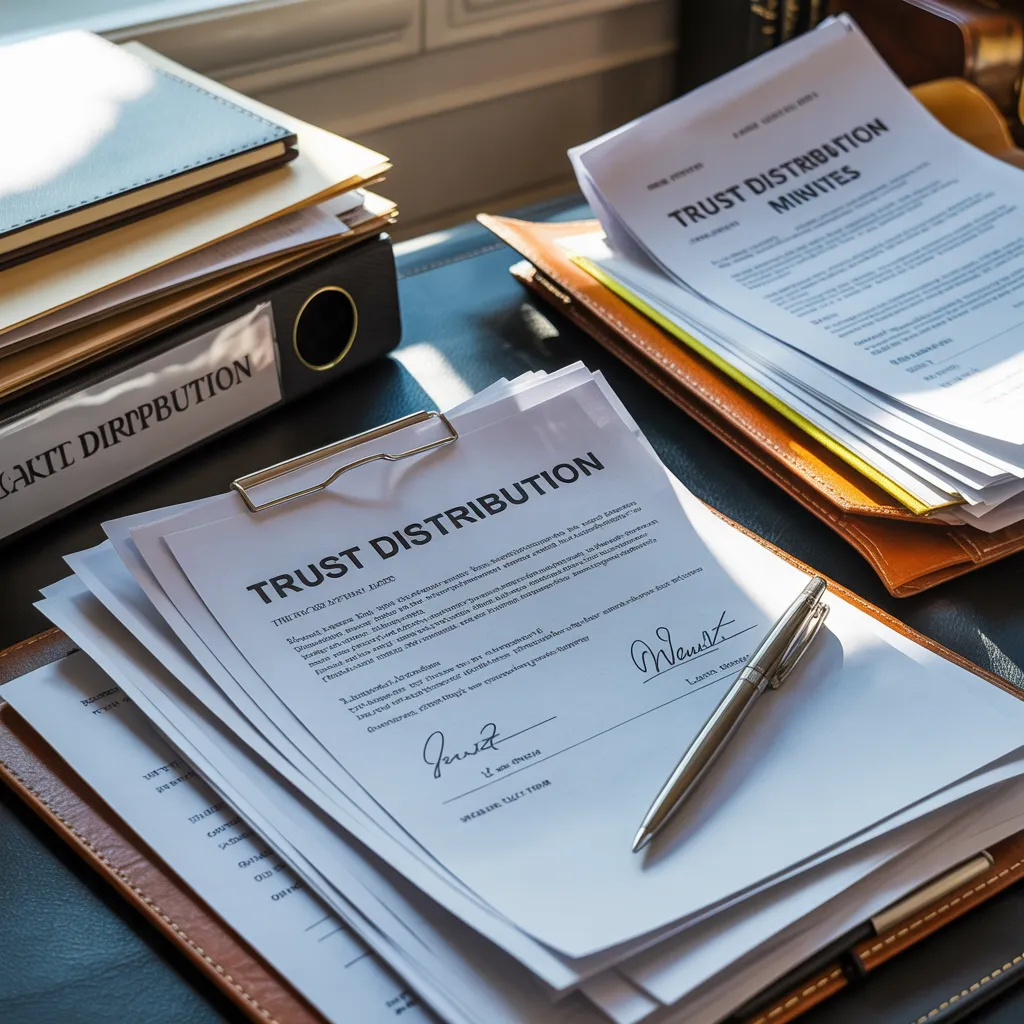
Trust distribution minutes form a vital role in effective trust management. They function as a legitimate record of decisions made regarding asset distributions and provide openness among stakeholders. A carefully crafted framework not only clarifies the distribution process but also encourages accountability. However, many trustees disregard key protocols that could optimize these minutes. Comprehending these best practices can substantially impact the effectiveness of trust management and the satisfaction of interested parties. What are these essential protocols?
Why Distribution Records Are Essential for Trustees: Key Benefits
While trust distribution minutes may appear to be just a procedural matter, they perform vital roles for trustees. These minutes work as official records specifying decisions made about distributions, upholding transparency and accountability. By recording the reasoning behind each distribution, trustees can shield themselves from potential disputes or legal challenges in the future.
Furthermore, trust distribution minutes enable dialogue among beneficiaries and trustees, building confidence and understanding. They offer a transparent summary of the trust's financial status and distribution rationale, which can assist in managing beneficiary expectations.
Additionally, thorough minutes work as a reference point for later choices, allowing trustees to preserve consistency in their actions. Finally, the precise documentation of these minutes facilitates upholding fiduciary duties, strengthening the integrity of the trust administration process. In this fashion, neglecting this task can cause misunderstandings and complications that would have been easily avoided.
Essential Elements of Trust Distribution Minutes
The key components of trust distribution minutes represent an significant role in ensuring proficient management and clarity. Involved meeting participants should be clearly marked, whereas extensive delivery frameworks furnish a framework for decisions. Moreover, transparent archival approaches are critical for maintaining dependable archives and promoting future retrieval.
Essential Conference Members
Successful trust distribution meetings necessitate the presence of key stakeholders who advance well-reasoned conclusions. Primary participants include the trustee, who oversees the distribution process, and claimants, whose feedback supplies important data. Solicitors play a significant role in ensuring compliance with relevant laws and regulations, while financial experts offer reviews on the trust's fund administration and distribution impact. Additionally, any co-trustees should be included to sustain transparency and collaborative decision-making. Stakeholders can comprise family members or representatives supporting the beneficiaries' interests. Each participant's different viewpoint enriches the substance of exchanges, ensuring that all important elements are considered, ultimately leading to just and fair trust distributions.
Thorough Spread Instructions
Creating clear distribution guidelines is paramount for effective trust distribution meetings. These guidelines should set forth the criteria for allocations, including eligibility and the designated purposes for which funds may be earmarked. It is essential to define the decision procedures, describing who has the authority to approve distributions and how conclusions will be shared to recipients. Additionally, rules should deal with the frequency of distributions, guaranteeing that recipients have a clear awareness of when they can expect to obtain money. By providing a structured plan, these directives help minimize confusion and promise that allocations harmonize with the trust's objectives. Adhering to these precepts builds clarity and transparency among fiduciaries and beneficiaries alike.

Lucid Documentation Protocols
Accurate and comprehensive documentation is vital for maintaining transparency in trust distribution meetings. Clear documentation procedures should include the date, time, and location of the meeting, as well as a list of attendees. Each trust distribution discussed must be recorded with specific details, including the amount distributed, the recipient, and the reasoning behind each decision. Additionally, any consensus points or concerns raised during the meeting should be noted to provide a detailed view of the discussions. It is also essential to assign follow-up actions with deadlines to guarantee accountability. By adhering to these documentation practices, trustees can create a reliable record that improves openness and facilitates future decision-making processes. This structured approach ultimately strengthens the trust's governance and stakeholder confidence.
Primary Suggestions for Writing Powerful Trust Distribution Minutes
Drafting well-structured trust distribution minutes demands precision. A well-defined purpose statement guarantees all parties comprehend the intent behind the distributions, while accurate details about the distributions themselves eliminate misunderstandings. These elements are vital for upholding transparency and accountability in the trust administration process.
Distinct Goal Articulation
A well-written purpose statement forms the cornerstone for successful trust distribution minutes, maintaining clarity and focus throughout the record. This statement should clearly set out the purposes of the trust distribution, supplying reference for all participants involved. By explicitly defining the purpose, it builds a framework that directs discussions and decisions, eliminating ambiguity. It should be brief yet detailed, demonstrating the aims of the trust and the purposes behind the distributions. Including a purpose statement not only encourages transparency but also enhances accountability among trustees and beneficiaries. A clear purpose statement sets the mood for the meeting, helping participants to match their contributions with the primary objectives of the trust, ultimately causing more effective outcomes.
Precise Distribution Information
Clear and accurate distribution details are crucial for proper trust distribution minutes. These details should contain the names and relationships of beneficiaries, specific amounts or percentages to be distributed, and the date of distribution. Accurate records prevent misunderstandings and disputes, making certain all parties are informed about their entitlements. Additionally, it is recommended to reference the trust document to validate the distribution decisions made. Each entry should be dated and signed by relevant parties to improve accountability. Implementing a structured format can aid clarity, enabling easy reference in the future. By adhering to these practices, trustees can copyright transparency, fostering trust among beneficiaries while safeguarding against potential legal challenges. Accurate documentation bolsters the integrity of the trust administration process.
Maintaining and Updating Trust Distribution Records: Optimal Practices
Strategic oversight of trust distribution records is vital for guaranteeing transparency and compliance. Routinely updating these records is essential to reflect any changes in distribution decisions, beneficiary information, or legal requirements. Developing a structured schedule for reviewing and revising records helps copyright accuracy and relevance.
Utilizing electronic tools can improve record-keeping efficiency, allowing for easy access and retrieval of information. Secure storage solutions, both physical and digital, should be employed to protect sensitive data from unauthorized access.
In addition, records ought to be well-structured and transparent, with each entry providing sufficient detail to support the decisions made. This includes noting the date of distributions, amounts, and the rationale behind each decision.
Training personnel engaged in trust management on best practices ensures consistency and reduces the likelihood of errors. By adhering to these guidelines, trustees can maintain their legal obligations check this resource successfully.
Sidestep These Ordinary Mistakes in Trust Documentation
Handling trust papers requires careful attention to avoid common pitfalls that can weaken its integrity. One usual mistake is neglecting to record decisions explicitly and timely. Inadequate records might lead to misinterpretations and disputes among beneficiaries. In addition, inconsistent terminology can cause confusion; using precise, uniform language is important for clarity. Another frequent error is failing to include all relevant parties in discussions, potentially resulting in insufficient records and reduced transparency.
Moreover, overlooking legal mandates and trust law developments can endanger the trust's validity. Neglecting to review and update documentation regularly may also generate obsolete or incorrect records. Lastly, not providing sufficient context for decisions can hamper future trustees' understanding of the trust's intent. By sidestepping these errors, trustees can verify that trust documents maintain strength and dependability, thereby protecting the stakes of every party involved.
Boosting Interaction Among Beneficiaries Through Session Notes
Documenting meeting minutes functions as an essential instrument for facilitating communication flow among beneficiaries in a trust. By capturing the exchanges, outcomes, and action items, minutes supply a clear record that all parties can refer to. This practice ensures that beneficiaries stay informed about the trust's status and the rationale behind fundamental decisions.
Effective records can promote openness, reducing misunderstandings and possible disputes among beneficiaries. By distributing these records quickly after gatherings, all beneficiaries can stay aligned on goals and responsibilities. Additionally, well-structured records encourage engagement, allowing stakeholders to feel involved in the trust's management.
Continuously refreshing and sharing these documents not only bolsters accountability but also creates a historical archive that beneficiaries can consult in the future. Ultimately, improving communication through minutes is important for fostering trust and cooperation among beneficiaries, optimizing a smoother distribution process.
Frequently Common Questions
When Should trust distribution notes Be Updated?
Trust distribution minutes should be revised on a consistent basis, ideally after each distribution or major determination, to guarantee precise documentation. Uniformity in documentation promotes transparency and helps preserve confidence among beneficiaries and trustees throughout the process.
May Beneficiaries Acquire Documents of Trust Distribution Minutes?
Beneficiaries are able to request copies of trust distribution minutes, given that openness is often fostered within trust operations. However, the likelihood of acquiring these records could be subject to the precise language included in the trust agreement.
What Results if Minutes Are Not Recorded?
Without documented trust distribution minutes, beneficiary confusion may arise, alongside potential disputes regarding distributions and obstacles in verifying compliance with the trust's terms, ultimately imperiling the trust's institutional integrity and proper management.
Do Legal Requirements Exist for Trust Distribution Minutes?
Yes, legal requirements for trust distribution minutes are in place, often differing by jurisdiction. Proper documentation ensures compliance with regulations and safeguards trustees from liability, emphasizing the importance of keeping accurate and thorough records during trust distributions.
Who Is Answerable for Producing the Minutes?
The trustee is ordinarily responsible for writing the minutes. This party must accurately document choices regarding trust transfers, ensuring accordance with lawful standards and sustaining transparency for beneficiaries and future documentation.